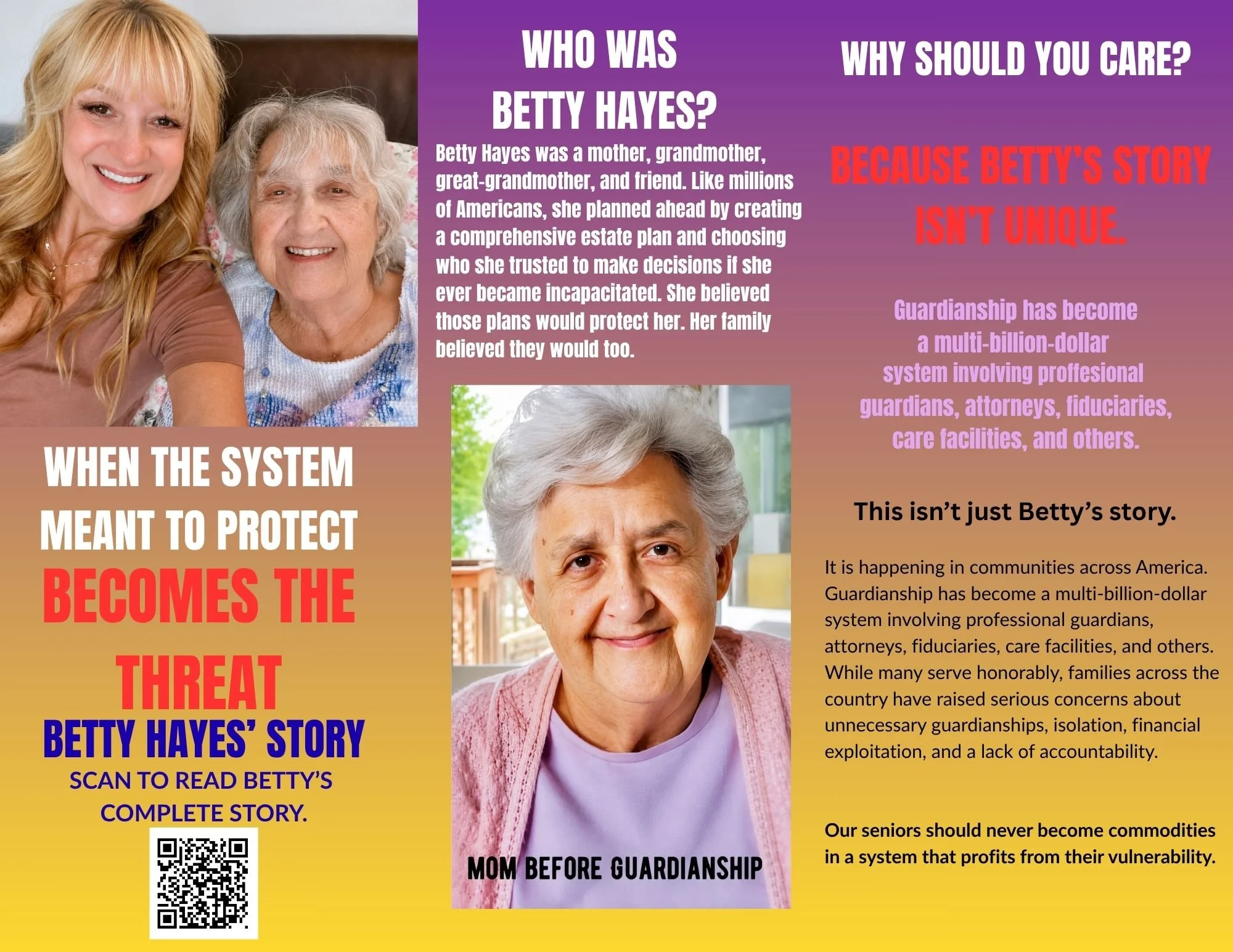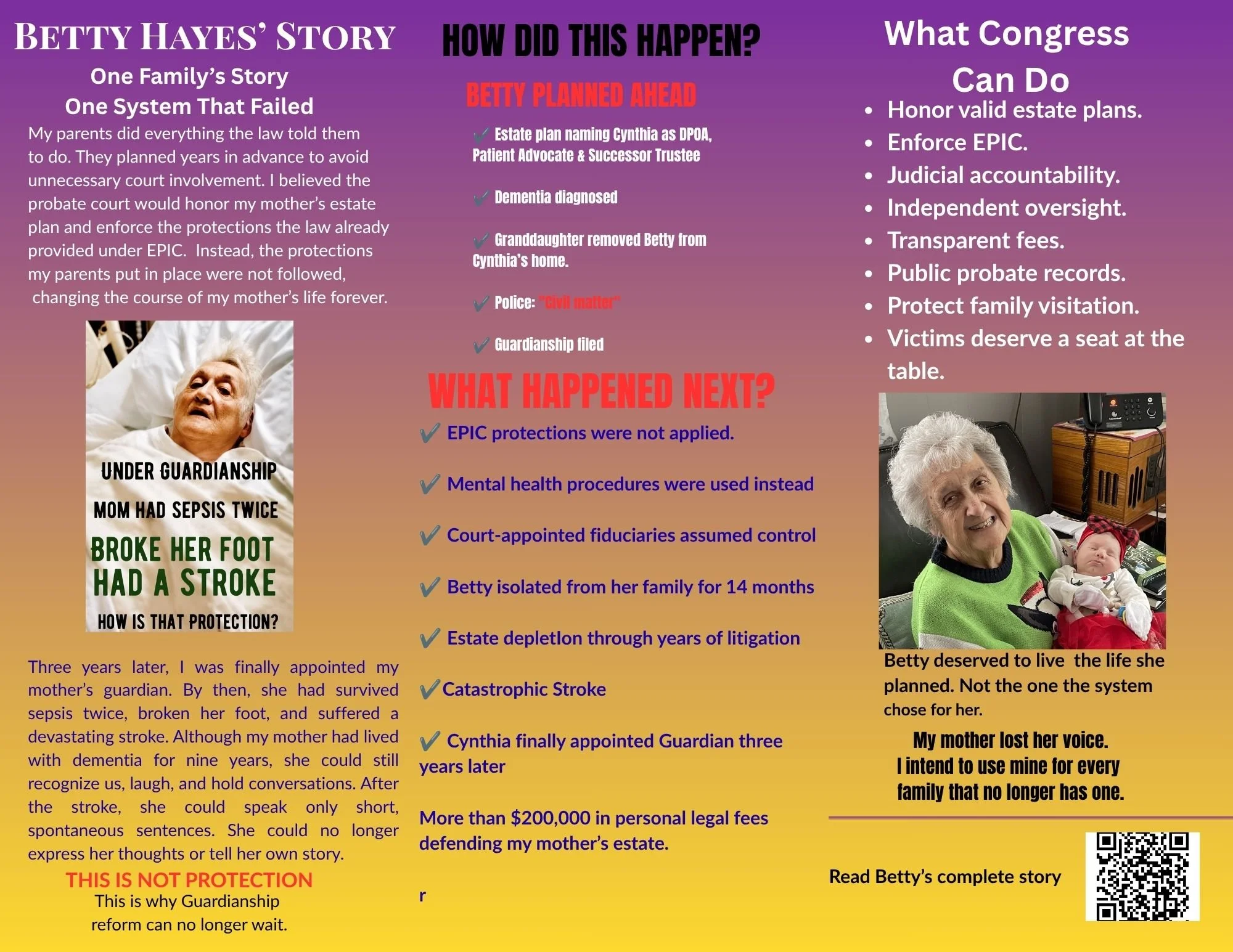


Betty Hayes’ Story
My Mother’s Voice was taken in a guardianship. I intend to use mine for every victim that no longer has their voice.
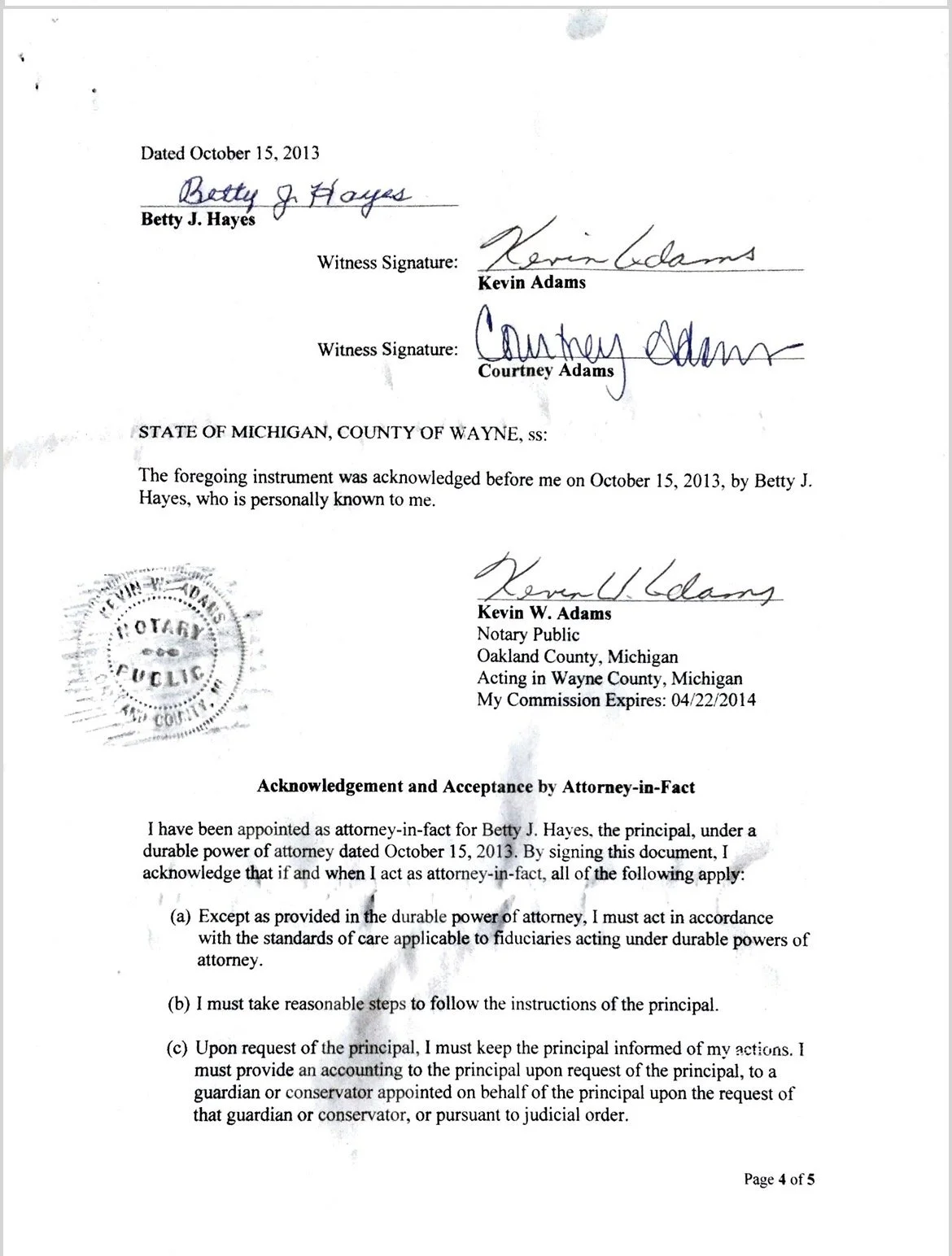
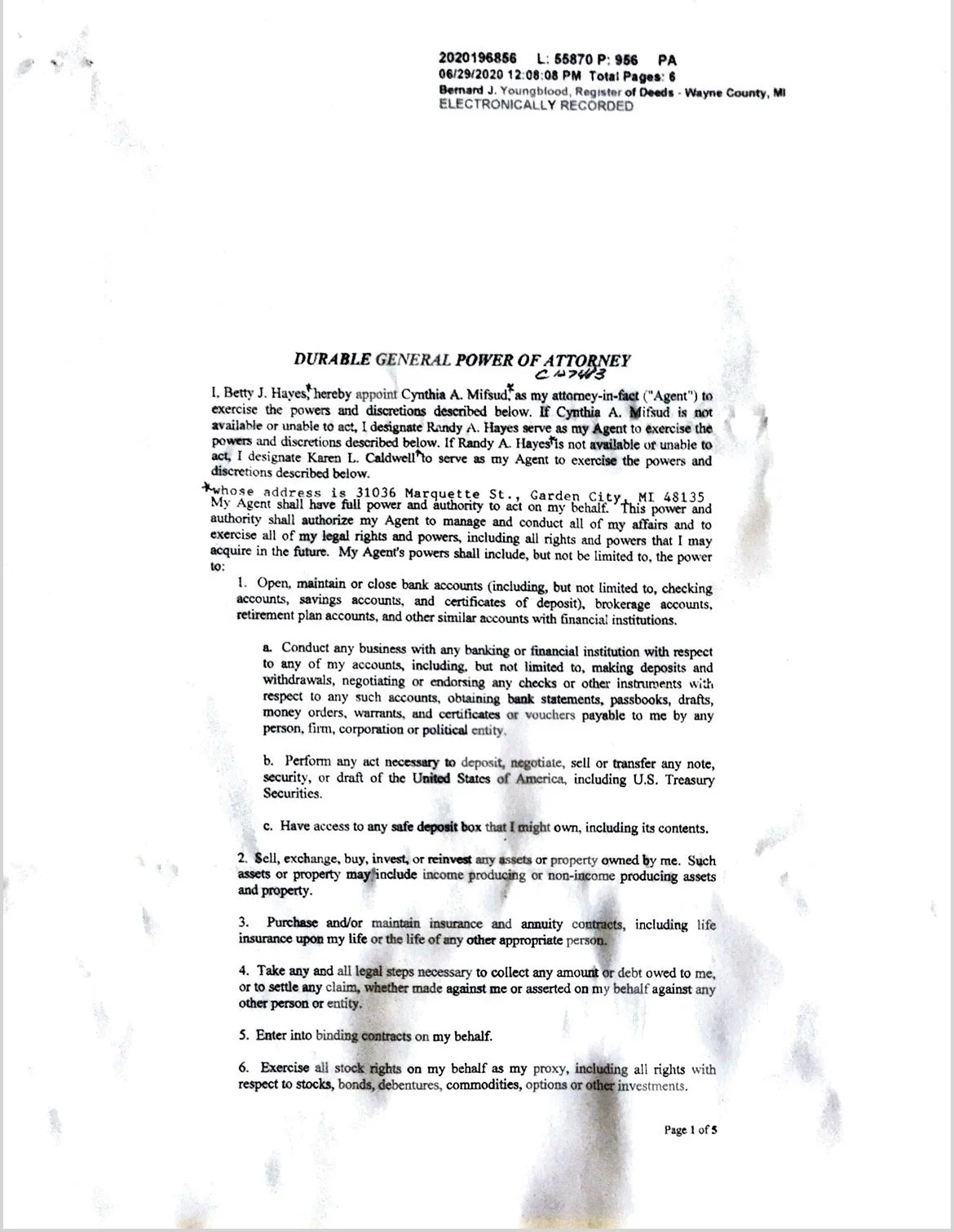
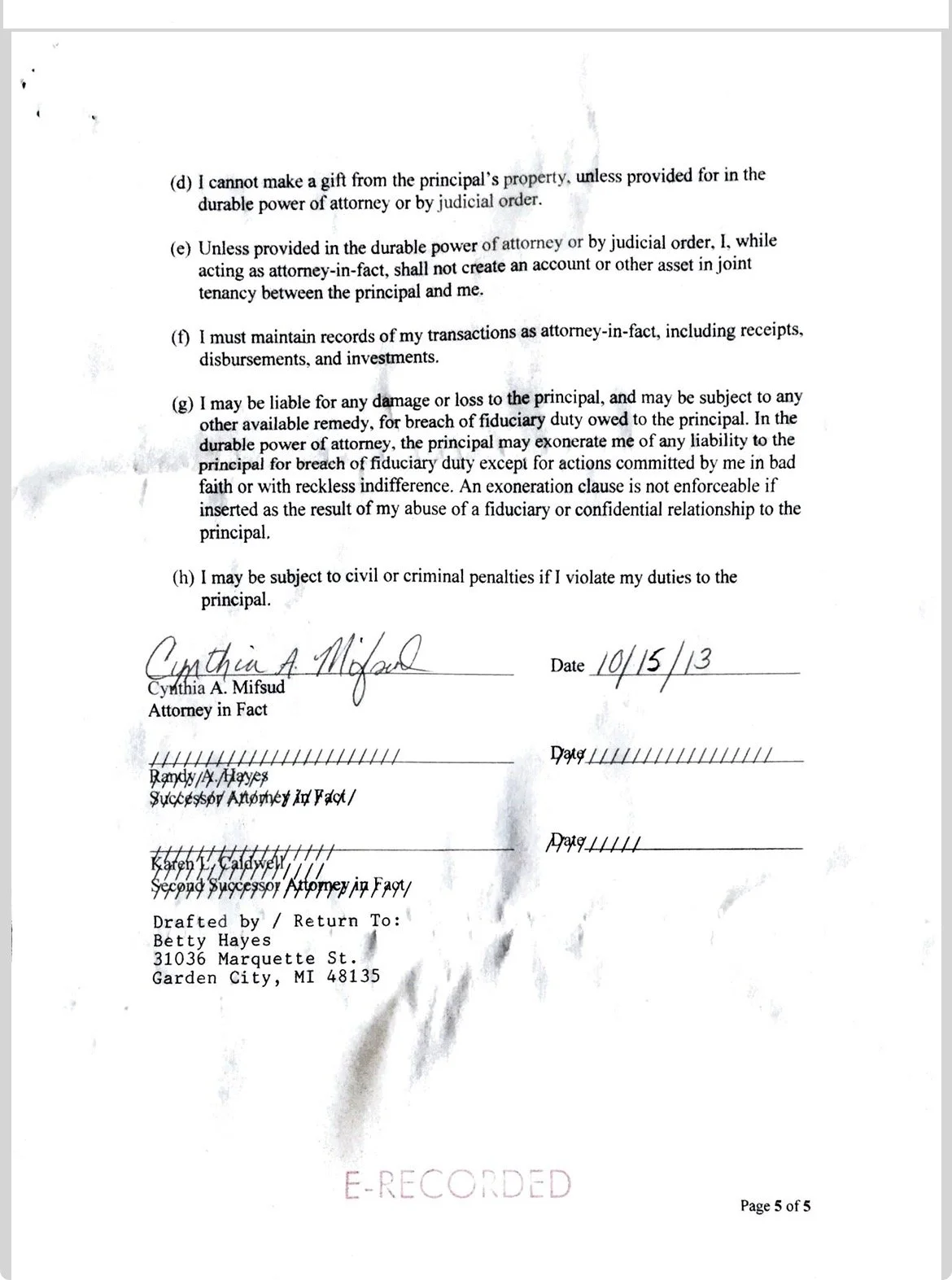
Durable power of Attorney naming Cynthia Mifsud created in 2013 and recorded in 2020 before any court proceedings.
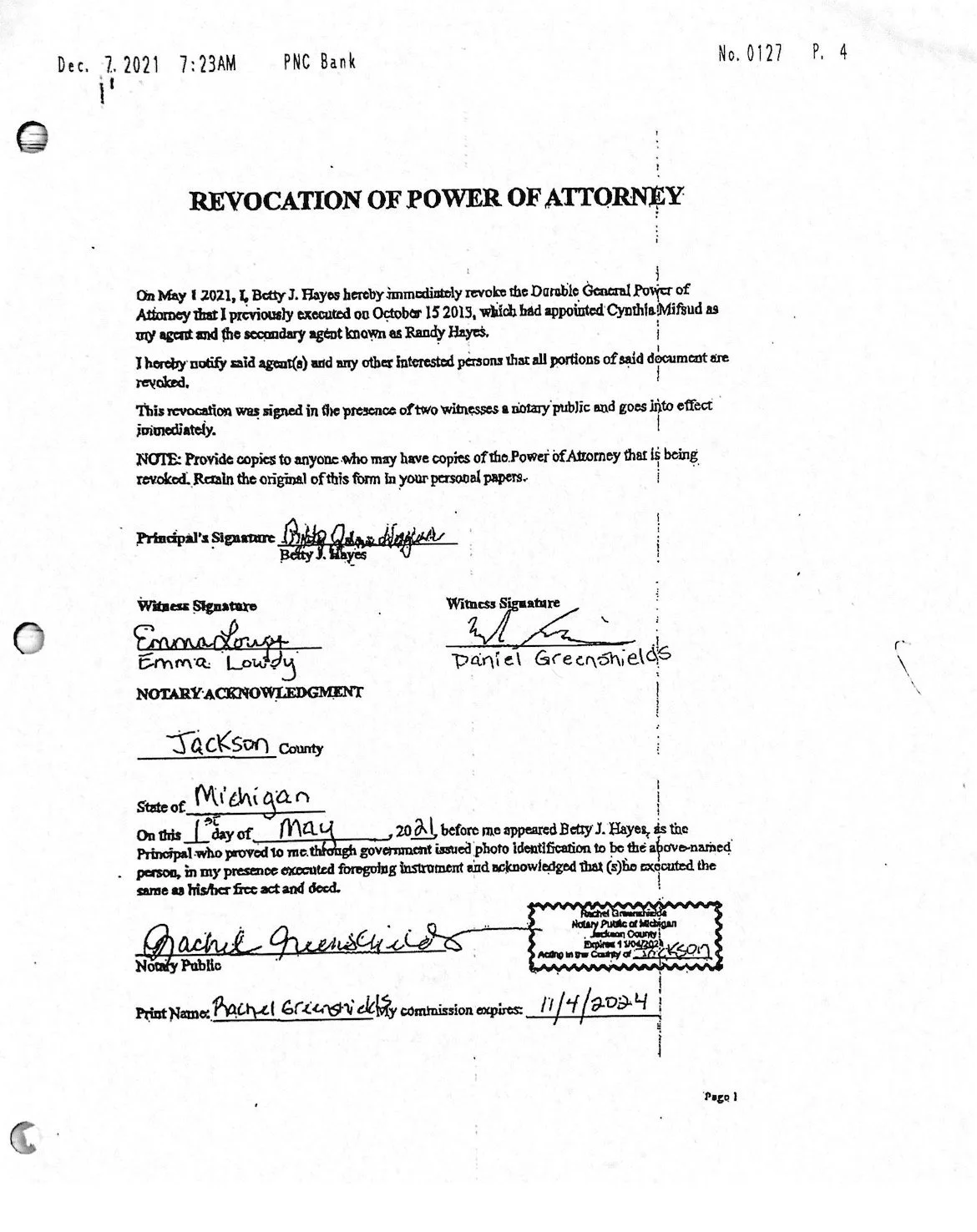
REVOCATION DOCUMENT:
Revocation drafted by granddaughter that knew her grandmother Betty Hayes had dementia for 5 years but still drafted a revocation of my (Cynthia Mifsud) durable power of Attorney created in 2013 years before dementia diagnosis. This documented was drafted by Rachel Greenshields and notarized by her, she had my mother sign it and presented it to PNC bank where my mother’s Trust account was.
The Betty Hayes’ Story
When the System Meant to Protect Became the Threat
“My parents did everything the law told them to do. They planned ahead, signed the right legal documents, and trusted the courts to honor them. That trust cost my mother her voice and my family everything.”
Betty Hayes was more than a probate case.
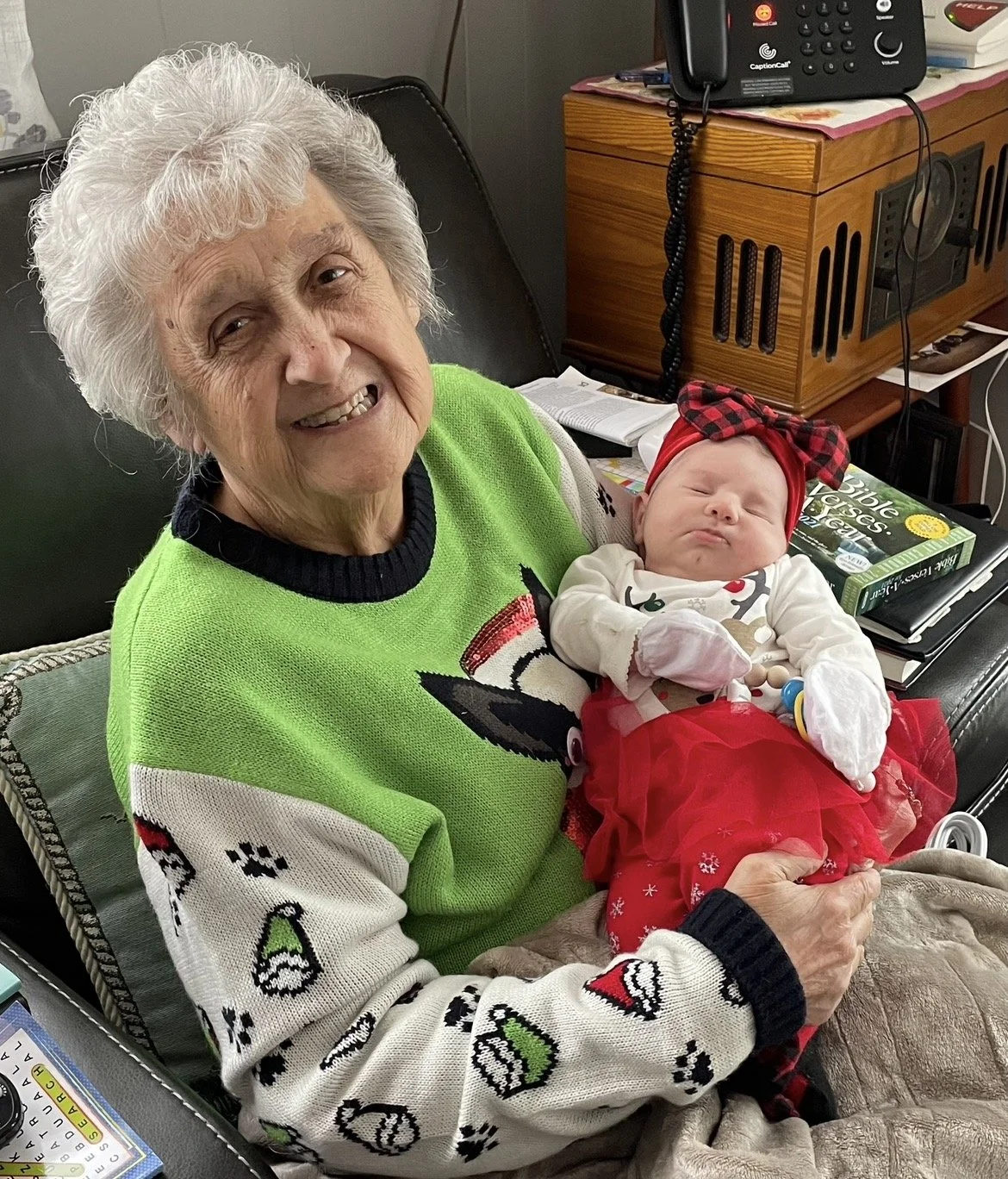
She was a mother, grandmother, great-grandmother, sister, friend, and the heart of our family. She spent her life caring for others and, like many Americans, believed that planning ahead would protect her if she ever became vulnerable.
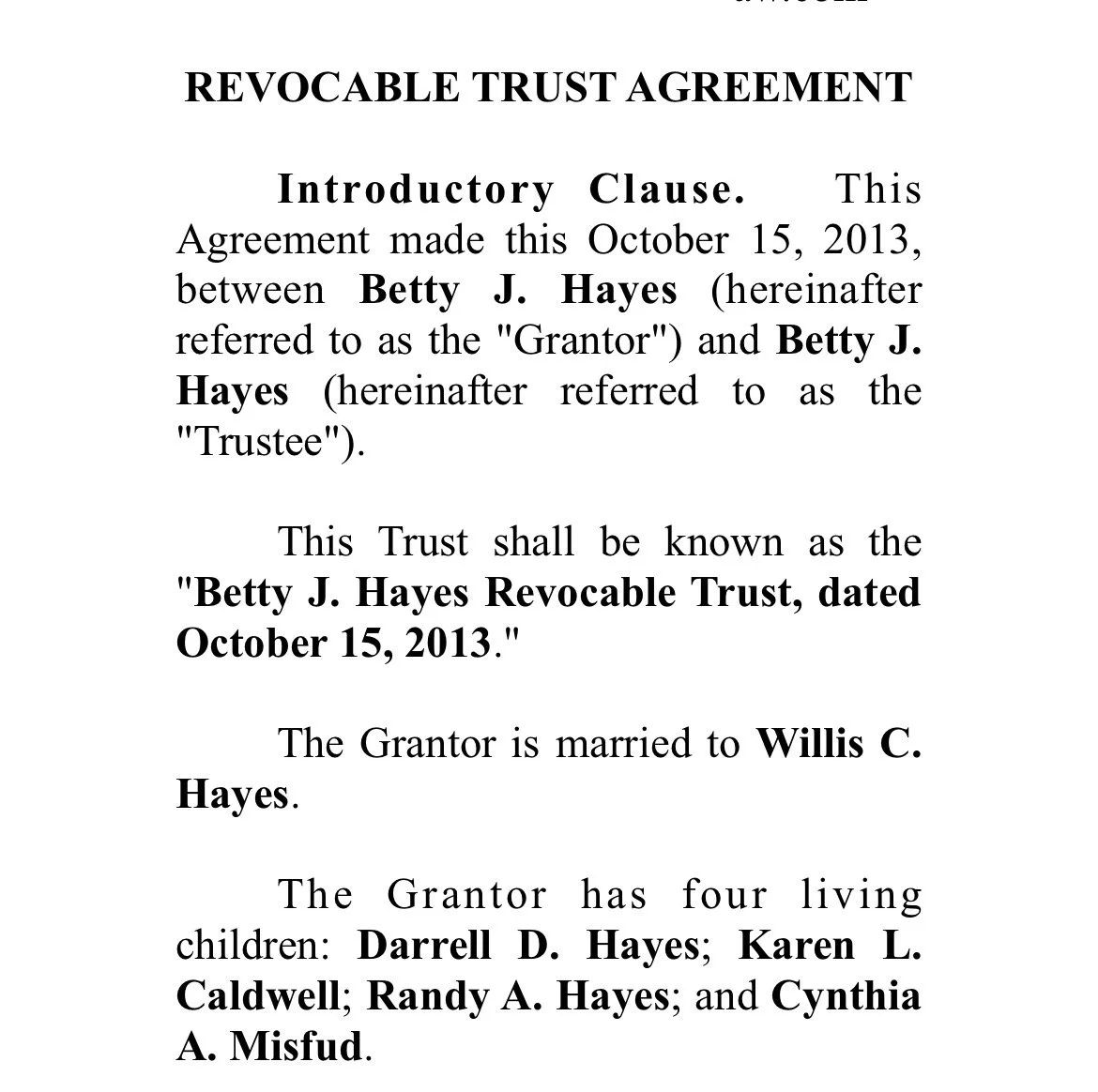
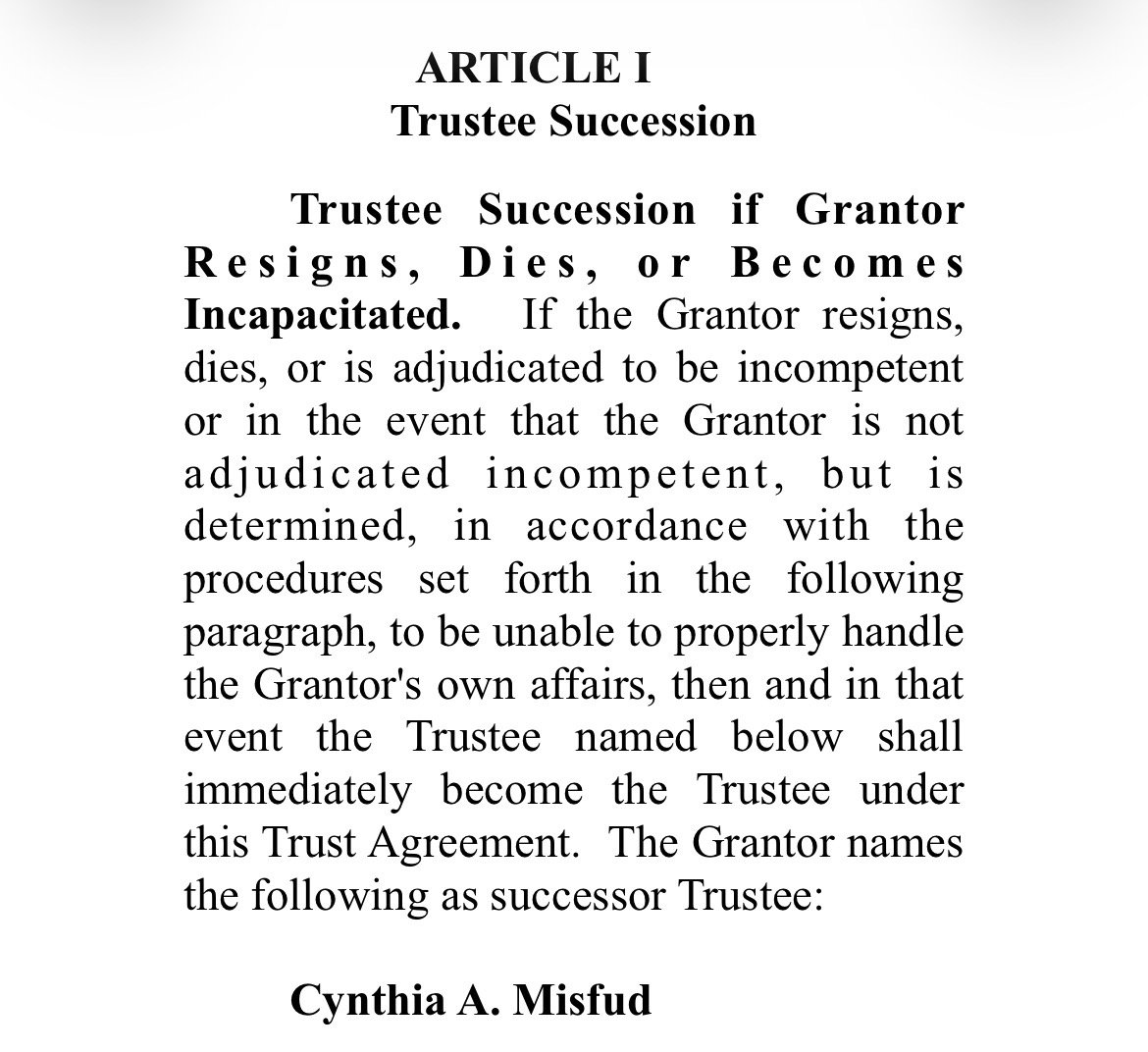
Years before there was any court involvement, my parents completed a comprehensive estate plan. My mother appointed me as her Durable Power of Attorney, Patient Advocate, and Successor Trustee because she trusted me to carry out her wishes if she could no longer do so herself.
When my mother’s granddaughter removed her from the home she shared with me and refused to return her, I called the police. I was told it was a civil matter. Believing the probate court would protect my mother and honor the estate plan she had created, I filed for guardianship.
I believed the court would enforce the protections already provided under Michigan law.
Instead, my family’s experience took a very different path.
My mother had been living with dementia for years. In my view, the protections contained in Michigan’s Estates and Protected Individuals Code (EPIC) should have guided her case. Instead, I believe the legal process displaced the authority my mother had already granted through her estate plan.
During the years that followed, my mother was isolated from much of her family. Court-appointed fiduciaries assumed control over her affairs, years of litigation consumed a substantial portion of her modest estate, and I incurred more than $200,000 in personal legal fees defending the estate plan my parents had carefully put in place.
Three years later, I was finally appointed my mother’s legal guardian.
By then, the damage had already been done.
During those three years my mother developed sepsis twice, suffered a broken foot, and ultimately experienced a catastrophic stroke.
Although she had lived with dementia for nine years, she could still recognize her family, laugh, hold conversations, and express her thoughts. After the stroke, she could speak only short, spontaneous sentences. She could no longer communicate her thoughts, tell her own story, or advocate for herself.
The stroke permanently took her voice. Today, I speak for her.
Why Betty’s Story Matters
My mother’s story is not just about one family.
Across the country, families have shared similar experiences involving guardianship proceedings, prolonged isolation, costly litigation, and the displacement of carefully prepared estate plans.
I believe meaningful reform should include:
Honoring valid estate planning documents whenever the law requires.Enforcing the protections contained in EPIC.
Independent oversight of guardians, conservators, and court-appointed fiduciaries.
Judicial accountability when laws designed to protect vulnerable adults are not followed.
Transparency in professional fees and court proceedings.
Protection against unnecessary isolation of vulnerable adults.
A meaningful voice for victims and families in guardianship reform efforts.
BETTY HAYES Deserved Better
Betty Hayes deserved to live the life she planned.
She deserved to have her wishes respected.
She deserved to remain surrounded by the family she loved.
Every vulnerable senior deserves those same protections.
Learn More: To learn more about Betty’s story, guardianship reform, and the Michigan Judicial Probate Integrity Project, explore the resources on this site. My mother lost her voice. I intend to use mine to share her story and everyone else who has been silenced by guardianship.

INDEPENDENT MEDICAL EXAMINATION (IME) EPIC VS. MENTAL HEALTH CODE
Most people have no idea there are two different legal systems involved.
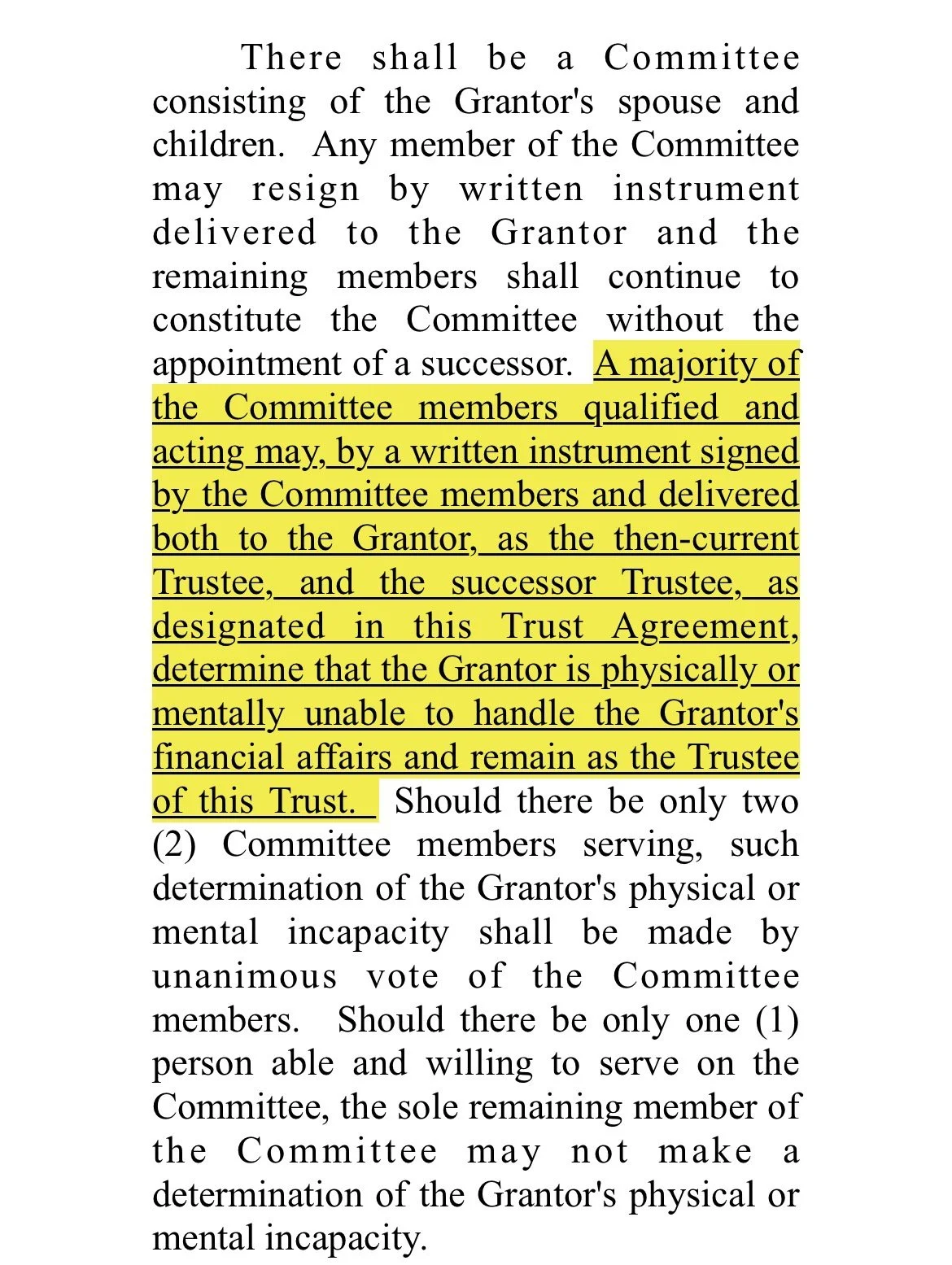
If an elderly person develops dementia, Michigan’s Estates and Protected Individuals Code (EPIC) governs guardianships, conservatorships, powers of attorney, patient advocates, and trusts. EPIC was enacted to protect incapacitated adults and to respect the estate planning decisions they made while they still had capacity.
My mother had been diagnosed with dementia for five years before I filed for guardianship. Years earlier, she had signed a comprehensive estate plan naming me as her Durable Power of Attorney, Patient Advocate, and Successor Trustee.
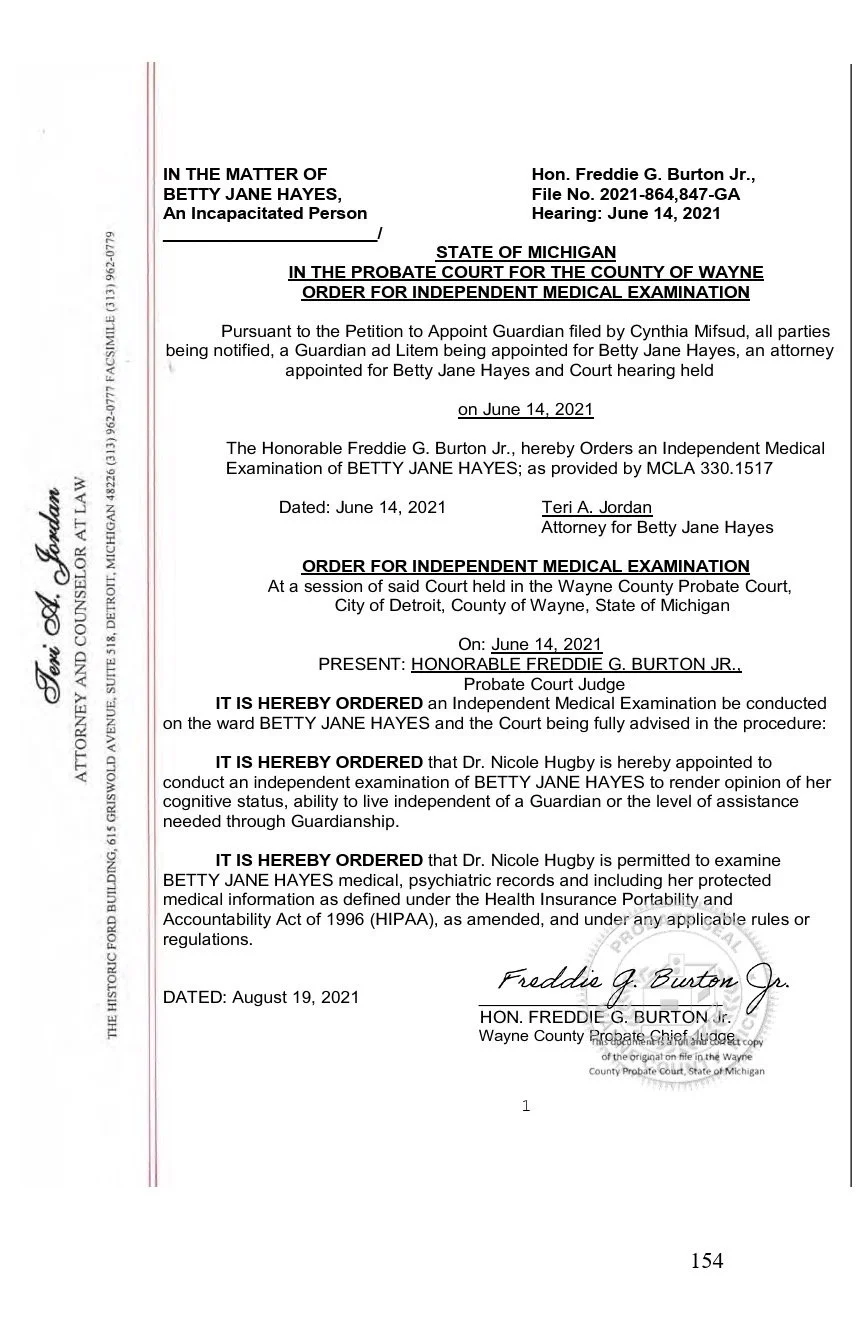
Instead of applying the protections of EPIC, Judge Freddie Burton Jr. issued an Independent Medical Examination order citing Michigan’s Mental Health Code (MCL 330.1517). In my view, that decision changed the legal framework applied to my mother’s case and bypassed the protections EPIC was designed to provide. By treating the matter under the Mental Health Code instead of applying EPIC, the court created the basis to conclude there was a vacancy in my mother’s trust and ultimately appoint Family Option Services as Successor Trustee, despite the estate plan my mother had already put in place years earlier.